
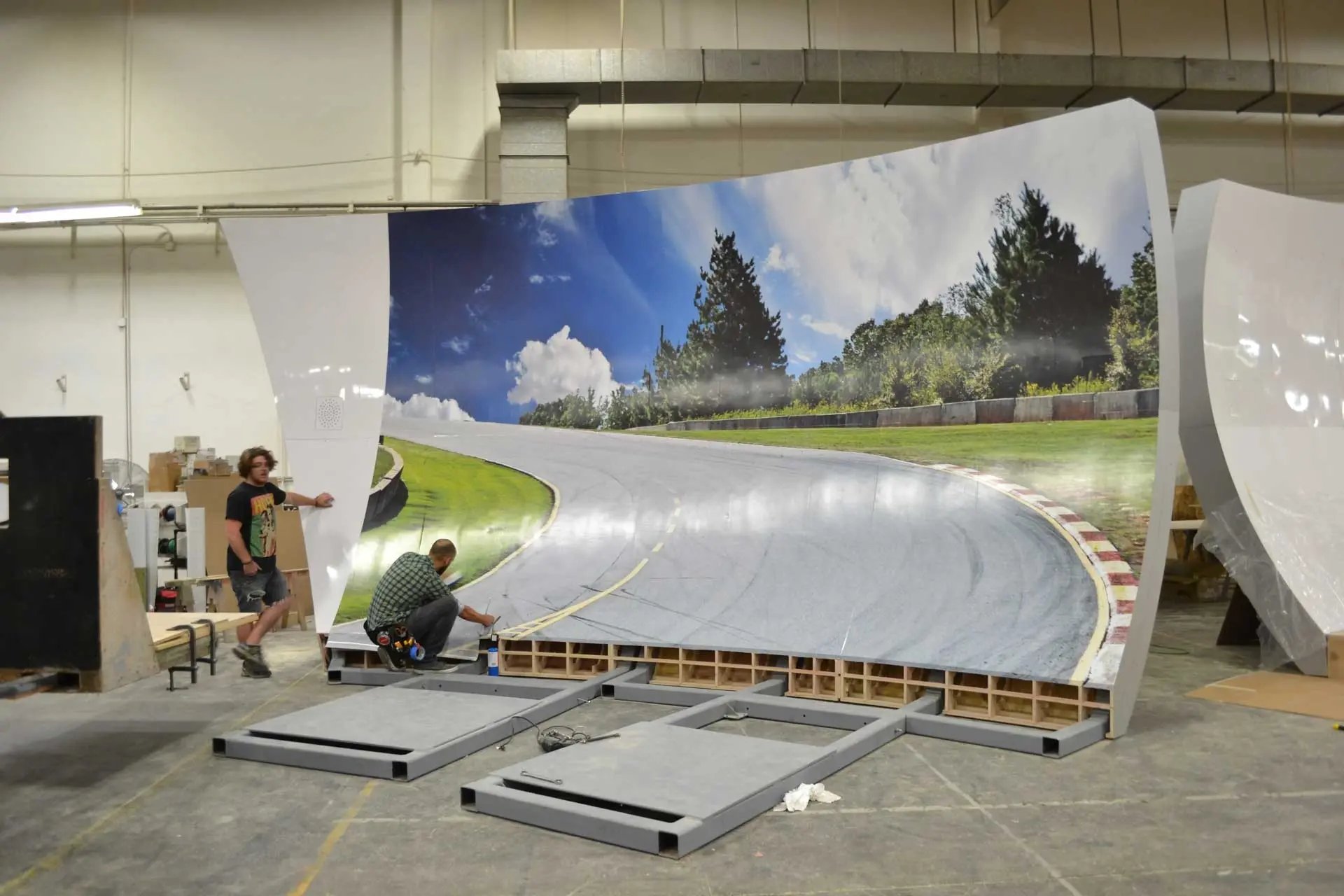
Introduction: What is Scenic Fabrication?
Scenic fabrication is the process of creating physical environments, sets, and structures for theater, film, television, events, and themed attractions. It transforms artistic ideas into tangible, immersive experiences that engage audiences. From elaborate stage sets to interactive museum exhibits, scenic fabrication combines creativity, engineering, and craftsmanship to bring concepts to life.
1. The Creative Process Behind Scenic Fabrication
Every scenic fabrication project begins with an idea. Designers conceptualize the environment, often starting with sketches, 3D models, or digital renderings. These concepts are carefully planned to balance aesthetic appeal, functionality, and safety. Collaboration between designers, engineers, and fabricators ensures that the artistic vision can be realistically constructed while maintaining structural integrity.
2. Materials Used in Scenic Fabrication
A wide variety of materials are used in scenic fabrication, depending on the project requirements. Common materials include wood, foam, metal, plastics, and fabrics, each chosen for strength, flexibility, and appearance. Advanced techniques may also incorporate lightweight composites, 3D-printed elements, or paint and textures to create realistic surfaces and effects. Choosing the right materials is crucial to achieve durability without compromising the visual design.
3. Techniques and Tools
Scenic fabrication relies on a combination of traditional craftsmanship and modern technology. Techniques include carving, molding, welding, painting, and assembly, often using specialized tools like CNC routers, laser cutters, and spray booths. Skilled fabricators apply their expertise to ensure precision and detail, transforming raw materials into visually stunning and structurally sound set pieces.
4. Bringing the Design to Life
Once materials are selected and fabricated, the next step is assembly and installation. This phase involves carefully constructing the set pieces, joining components securely, and ensuring stability for performers or visitors. Scenic elements may also include interactive or moving parts, lighting effects, and props that enhance the overall experience, making the environment more immersive and engaging.
5. Scenic Fabrication in Entertainment
In theater, film, and television, scenic fabrication plays a critical role in storytelling. Sets create the world of the narrative, providing context, atmosphere, and mood. Well-designed fabricated scenery can enhance performance, captivate audiences, and support dramatic storytelling, making it an essential part of any production.
6. Applications Beyond Entertainment
Scenic fabrication is not limited to entertainment. It is widely used in museums, exhibitions, themed attractions, retail spaces, and corporate events. Fabricated environments can guide visitors through immersive experiences, communicate information creatively, and leave lasting impressions, demonstrating the versatility of this craft beyond the stage.
7. Challenges in Scenic Fabrication
Scenic fabrication projects often face challenges such as budget constraints, material limitations, time restrictions, and safety requirements. Balancing artistic vision with practical considerations requires careful planning, problem-solving skills, and collaboration between designers, engineers, and fabricators. Overcoming these challenges is part of the art itself.
Conclusion: Transforming Ideas into Reality
Scenic fabrication is a perfect blend of art, engineering, and craftsmanship. It turns creative ideas into tangible experiences that engage and inspire audiences across theater, film, events, and themed environments. By combining imagination, technical skill, and innovative materials, scenic fabricators transform concepts into reality, making the impossible appear real on stage or in any immersive setting.


